
If you have a dog, you know how quickly a yard can turn into a muddy, patchy, high-maintenance mess. From digging and running to bathroom breaks and rough play, pets put a lot of stress on natural grass.
That’s why more homeowners are turning to artificial grass designed specifically for dogs. It keeps your yard clean, comfortable, and attractive while making life easier for both pets and owners.
But not all artificial turf is the same. Choosing the right dog-friendly turf can prevent odors, damage, puddling, and constant upkeep. The right option gives your dog a safe place to play while giving you peace of mind and a yard that always looks great.
In this complete buyer’s guide, we’ll break down what makes pet turf different, what features to look for, and how to choose the best artificial grass for dogs and dog owners alike. With the right information, picking the perfect turf becomes simple, smart, and stress-free.
What Do You Need from Dog-Friendly Artificial Grass?
Before choosing artificial grass for dogs, it’s important to understand what matters most for your yard and your pet. Every dog and every household is different, so the best turf is the one that matches your lifestyle, your space, and your pet’s behavior.
Think about how your dog uses the yard:
- Does your dog run, dig, or play rough?
- Will the area be used daily or only occasionally?
- Do you need strong odor control?
- Does the space get lots of sun, shade, or rain?
- Do you want the turf mainly for looks, function, or both?
Answering these questions helps you narrow down the right type of artificial grass. It ensures you pick turf that is strong, safe, comfortable, and easy to maintain, instead of something that wears out too fast or causes extra work later.
How to Choose the Best Artificial Grass for Dogs
Choosing artificial grass for pets isn’t just about appearance. The right turf should handle daily play, resist odors, drain quickly, and stay comfortable under your dog’s paws. A well-chosen pet turf keeps your yard clean, fresh, and durable for years.
Before buying, focus on these key factors:
1. Durability
Dogs run, dig, and play hard. Pet turf needs strong, wear-resistant fibers that won’t flatten, tear, or separate over time. High-quality polyethylene or nylon fibers provide the strength needed to handle scratching, sprinting, and constant use.
2. Drainage
Proper drainage is essential for pet turf. A fully permeable backing allows urine and rainwater to flow through quickly, preventing puddles, mud, and lingering odors. Fast drainage keeps the yard cleaner and more hygienic.
3. Odor Control
Look for turf designed with antimicrobial technology or pair it with an antimicrobial infill. This helps reduce bacteria growth and keeps odors under control, especially in high-use pet areas.
4. Comfort
Your dog should enjoy spending time on the turf. Soft, paw-friendly fibers and the right pile height create a comfortable surface that feels natural and safe to walk or lay on.
5. Safety
Pet-friendly turf should be non-toxic, lead-safe, and made from materials safe for animals. This ensures your dog can play freely without health concerns.
Best Turf Materials for Dog-Friendly Yards
Just like regular artificial grass, pet turf comes in different materials. Each type offers its own strengths, feel, and durability. Choosing the right one ensures your turf holds up to daily use while staying comfortable for your dog.
Polyethylene
Best for: Most pet yards and everyday use
Why it works well: Polyethylene turf offers a soft, natural feel while staying strong enough to handle regular play. It resists fading, feels comfortable on paws, and maintains a realistic appearance.
Strengths:
- Soft and natural-looking
- Good durability
- UV-resistant for sunny climates
Consider: Not as tough as nylon in extreme high-wear areas.
Polypropylene
Best for: Light-use pet areas
Why it works well: Polypropylene is a budget-friendly option that works in smaller or low-traffic pet spaces. It’s lightweight and flexible, but not ideal for heavy running or digging.
Strengths:
- More affordable
- Lightweight and easy to install
Consider:
Wears out faster in active pet environments.
Nylon
Best for: Heavy-use and high-energy dogs
Why it works well: Nylon is the strongest turf material available. It handles aggressive play, scratching, and constant traffic without losing shape. It’s great for kennels, dog runs, and highly active dogs.
Strengths:
- Extremely durable
- Heat- and wear-resistant
- Holds structure under pressure
Consider: More expensive and slightly firmer under paw.
Pro Tip
Many high-quality pet turf systems combine materials for the perfect balance:
- Nylon for strength
- Polyethylene for softness
- Advanced backing for drainage
This blend gives dogs a durable, comfortable, and long-lasting play surface, ideal for busy pet households.
Key Features to Look For in Pet Turf
Once you understand turf materials, it’s time to focus on the features that keep your yard clean, comfortable, and long-lasting. The right combination of pile height, density, drainage, and UV protection makes a huge difference in daily performance.
01. Pile Height
Shorter pile turf works best for dogs.
Best Range: Around 1 inch to 1.25 inches
Why it matters:
- Easier to clean
- Helps prevent matting
- Allows better airflow and drainage
- More hygienic for pet use
Shorter turf also makes it easier for dogs to walk, run, and play without sinking too deeply into the grass.
02. Density and Strength
Dense turf means more fibers per square yard, which creates a fuller, stronger surface.
Benefits of high-density turf:
- Better durability
- Improved resistance to wear
- More natural appearance
- Longer lifespan
For active dogs, higher density equals better long-term performance.
03. Drainage System
Drainage is one of the most important features of dog-friendly turf.
Look for:
- Fully permeable backing
- Fast drainage rate
- Quality installation base
Why it matters:
- Prevents puddles and mud
- Reduces odors
- Keeps the surface clean and sanitary
- Makes cleanup faster and easier
A good drainage system keeps your yard fresh, especially in areas with heavy rain or frequent pet use.
04. UV Protection
Strong sunlight can damage poor-quality turf over time. UV-protected turf keeps its color and strength.
Benefits:
- Prevents fading
- Maintains appearance
- Extends turf life
- Handles intense sun and heat
This is especially important in hot climates like Texas.
Infill and Odor Control for Pet Turf
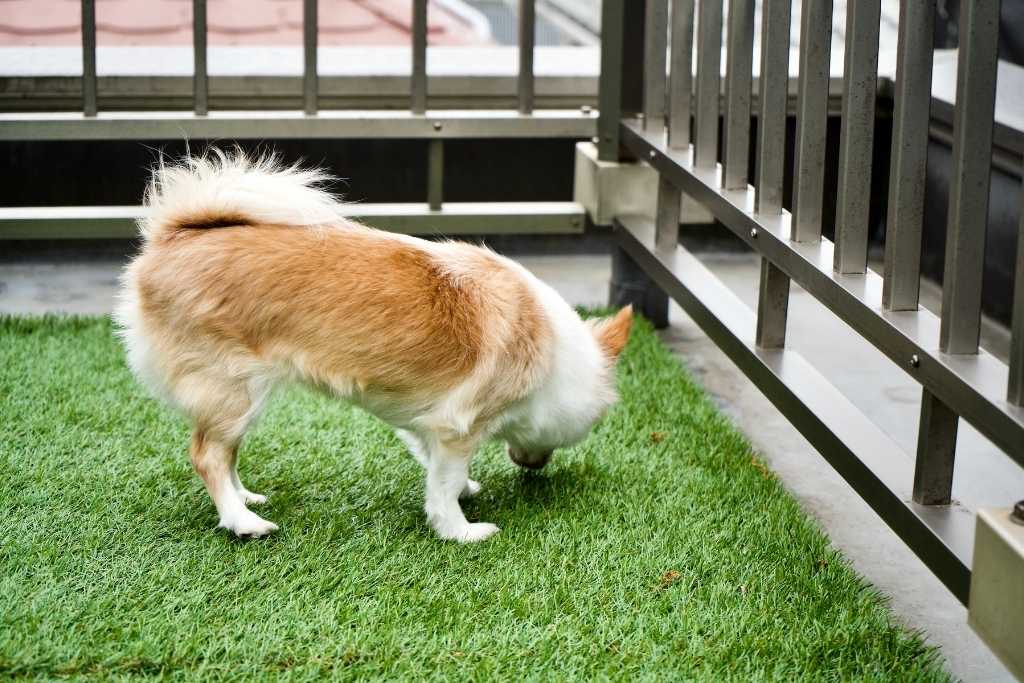
Infill plays a big role in how well your artificial grass performs, especially in dog areas. The right infill helps support the turf blades, improves comfort, and reduces odors. Choosing the wrong type can trap smells, hold moisture, and make cleaning harder.
01. Why Infill Matters
Infill sits between the turf blades and supports the structure of your lawn.
Benefits of good infill:
- Keeps blades standing upright
- Adds cushioning for paws
- Improves stability and comfort
- Supports better drainage
For pet turf, it also helps control bacteria and odor buildup.
02. Best Infill Options for Dogs
Antimicrobial Infill: Best option for most pet owners
Why it works well:
- Helps control bacteria
- Reduces odors
- Keeps turf fresher and cleaner
- Ideal for daily pet use
This is especially helpful in dog runs, kennels, or homes with multiple pets.
Sand Infill: Works well in some pet areas
Benefits:
- Adds weight and stability
- Supports drainage
- Helps maintain turf shape
However, not all sand products are designed for heavy pet use, so choosing the right type is important.
Avoid Rubber Infill for Pet Yards: Rubber infill holds heat and can trap odors, making it less ideal for dogs. It’s better suited for sports fields than pet turf.
03. Preventing and Managing Odors
Even with great turf, hygiene matters.
Key odor-control tips:
- Choose turf with antimicrobial infill
- Ensure excellent drainage
- Rinse high-use areas regularly
- Use pet-friendly turf cleaners if needed
Good turf + the right infill = a cleaner, fresher yard for both you and your pets.
Climate Suitability and Comfort for Pets
Not all artificial grass handles every climate the same way. Choosing turf that matches your local weather ensures it stays durable, comfortable, and safe for your dog year-round.
01. Heat Resistance
Dogs spend a lot of time lying, sitting, and playing on turf, so heat matters.
Look for turf that:
- Stays cooler under direct sunlight
- Uses heat-reducing technology
- Has lighter, natural-looking color tones
Heat-resistant turf helps protect paws and keeps your dog comfortable during warm weather.
02. UV Protection
Strong sunlight can fade low-quality turf and weaken fibers over time.
Benefits of UV-protected turf:
- Maintains natural color
- Prevents fading and discoloration
- Extends lifespan of your turf
- Keeps your yard looking fresh
This is especially important in hot climates like Texas and sunny southern regions.
03. Weather and Rain Performance
Dogs don’t stop using the yard when the weather changes, so your turf shouldn’t either.
Choose turf with:
- Fast drainage for sudden rain
- Mold- and mildew-resistant backing
- Strong, water-safe materials
Good drainage prevents mud, puddles, and slippery areas, keeping playtime clean and safe.
04. Cold Weather Considerations
In colder regions, turf should handle temperature changes without cracking or stiffening.
Look for:
- Flexible, high-quality fibers
- Durable backing that won’t split
- Strong seam bonding
A well-built turf system stays strong, no matter the season.
When your turf is built for your climate, your dog gets a cleaner, safer, and more comfortable play area, and you get a yard that stays beautiful and reliable year after year.
Intended Use: Choosing Turf That Fits Your Dog’s Lifestyle
Pet turf isn’t one-size-fits-all. The best artificial grass depends on how your dog uses the space and how often the area will be in action. Understanding the purpose of your turf helps ensure it performs well and lasts longer.
01. Everyday Backyard Use
Perfect for families with dogs who spend a lot of time outdoors.
What to look for:
- Strong, durable fibers
- Good drainage
- Comfortable pile height
- Antimicrobial infill for cleanliness
This gives your dog a clean, safe place to relax, play, and explore daily.
02. Dog Runs and High-Traffic Areas
Ideal for energetic dogs and homes with multiple pets.
Best features:
- Shorter pile height
- Extremely durable materials (nylon or high-density turf)
- Fast, fully permeable drainage
- Odor-control systems
These areas need turf built for constant movement and heavy use.
03. Kennels, Pet Daycares, and Veterinary Spaces
Commercial pet environments require even stronger performance.
Important priorities:
- Maximum durability
- Superior drainage
- Antimicrobial protection
- Easy cleaning and maintenance
This ensures a hygienic, safe, and professional pet environment.
04. Decorative and Light-Use Pet Areas
Great for homeowners who want a beautiful yard that can still handle occasional pet use.
Best choice:
- Soft, lush turf with realistic appearance
- Good UV protection
- Reliable drainage
You get a yard that looks stunning while still being functional.
When your artificial grass matches how your dog uses the space, it performs better, lasts longer, and keeps both pets and owners happy.
Budget, Value, and Long-Term Investment
Artificial grass for dogs is not just a purchase, it’s an investment in your yard, your pet’s comfort, and your convenience. Understanding cost, value, and long-term benefits helps you choose turf that fits your budget while still delivering strong performance.
01. Initial Cost vs Long-Term Savings
Pet turf may cost more upfront than natural grass, but it quickly pays off.
You save money on:
- Lawn maintenance and mowing
- Water bills
- Fertilizers, pesticides, and chemicals
- Repairing damaged or muddy areas
Over time, quality turf often becomes the more affordable option.
02. Quality vs Cheap Turf
Cheaper turf may look appealing at first, but it usually wears out faster, traps odors, and needs replacement sooner.
High-quality turf offers:
- Longer lifespan
- Better drainage
- Stronger materials
- Greater comfort for your dog
Investing in good turf means fewer problems later.
03. Durability and Warranty
Look for turf backed by strong manufacturer warranties.
Good warranties usually cover:
- UV fading
- Fiber wear
- Material defects
A reliable warranty is a sign of trust and quality.
04. Installation Value
Professional installation may cost more, but it ensures proper base prep, drainage, seams, and overall performance. Well-installed turf lasts longer and handles pets better. For a step-by-step breakdown of proper installation techniques, see our guide on how to install artificial turf for dogs.
Aesthetic Appeal and Natural Look
Artificial grass for dogs shouldn’t only be tough, it should also look beautiful. The right turf adds curb appeal, keeps your yard neat, and creates a welcoming outdoor space you and your dog can enjoy every day.
01. Realistic Appearance
Good pet turf should look like real grass, not plastic.
Look for:
- Natural green tones (not overly bright)
- Multi-tone fibers
- Soft, realistic texture
This keeps your yard looking fresh, vibrant, and natural all year.
02. Clean, Always-Green Yard
With artificial grass, there is no patchy grass, brown spots, or muddy areas caused by pets.
Benefits include:
- No seasonal dying
- No bare or worn-out patches
- A consistently lush yard
Your lawn stays neat and beautiful even with active dogs.
03. Neat Landscaping and Curb Appeal
Pet turf enhances your overall landscape design. It works great for:
- Backyards
- Side yards
- Play areas
- Dog runs
A clean, green yard instantly improves your home’s appearance.
04. Comfort and Enjoyment
A nice-looking yard encourages more outdoor time for both you and your dog. Soft, inviting turf makes your outdoor space feel more enjoyable and welcoming.
With the right turf, you get the best of both worlds, a yard that looks stunning and performs perfectly for pets.
Maintenance and Cleaning Tips for Pet Turf
Even the best artificial grass for dogs needs simple care to stay fresh, clean, and long-lasting. Fortunately, pet turf is much easier to maintain than natural grass, saving time, money, and effort.
01. Regular Rinsing
Rinse the turf regularly to remove urine, dirt, and debris. This helps prevent odors and keeps your yard hygienic.
Tips:
- Use a hose for daily or weekly rinses
- Focus on high-traffic and potty areas
- Rinse thoroughly after heavy use or hot weather
02. Spot Cleaning
For solid waste, pick it up first, then rinse the area.
Optional:
Use a pet-safe turf cleaner to remove lingering smells or stains.
03. Brushing and Grooming
Occasional brushing keeps turf fibers upright and looking natural.
Benefits:
- Prevents matting in high-traffic areas
- Maintains a realistic appearance
- Extends the life of your turf
Use a stiff broom or turf rake for best results.
04. Infill Maintenance
Check infill levels periodically. Adding infill maintains cushioning, blade support, and proper drainage.
Why it matters:
- Supports turf durability
- Keeps turf comfortable for pets
- Ensures proper drainage and hygiene
With regular rinsing, spot cleaning, brushing, and infill maintenance, your dog-friendly artificial grass will stay clean, safe, and attractive for years, with minimal effort compared to natural grass.
Conclusion
The right artificial grass makes a big difference for dog owners. It provides a durable, clean, and comfortable outdoor space, while saving time, money, and frustration compared to natural grass. By choosing turf with proper materials, drainage, infill, and UV protection, your yard stays safe and enjoyable for your dog year-round.
Whether you need a high-traffic play area, a dog run, or a backyard oasis, Texas Tuff pet-friendly turf in the Dallas-Fort Worth area delivers comfort, hygiene, and long-lasting beauty. Investing in the right artificial grass ensures your dog has a safe, fun, and clean space to play, and your yard stays looking its best with minimal maintenance.
Ready to upgrade your yard? Explore Texas Tuff Artificial Grass dog-friendly turf options in Dallas-Fort Worth today and give your pet a space they’ll love, and you’ll appreciate.