

If you’re considering artificial turf, you’re making a smart choice. It can save you both time and water for years to come.
Not all turf is created equal. Choosing the right type makes a big difference, and once you start looking into the different types of artificial turf on the market, it’s easy to see why the decision matters.
There are many types of artificial turf, each designed for a specific purpose:
- A lush putting green
- A pet-friendly patch
- A safe play area for kids
- A durable sports field
Picking the wrong type can lead to frustration and extra costs in the future.
You don’t have to figure it out alone. In Dallas-Fort Worth, homeowners have access to high-quality artificial turf and expert guidance to help choose the perfect option for their needs.
Texas Tuff has helped hundreds of local homeowners find the best artificial grass. We will walk you through the main type of artificial turf options and what to consider before making a decision.
Choosing the right turf can be simple, smart, and stress-free when you have the right information.
What Are Your Perfect Turf Needs?
Before choosing turf, consider your priorities. Do you want a soft, lush lawn that looks natural and inviting, or a durable surface built to handle pets, kids, and sports?
Consider how you will use the space:
- Will pets run and play there?
- Is it mainly decorative or does it see heavy foot traffic?
- Do you need extra drainage or odor control?
- How much sunlight does the area get?
- What is your budget and maintenance plan?
Answering these questions will make it easier to find the right turf. The best choice is one that suits your lifestyle and how you use your yard, not just how it looks.
Different households have different turf needs:
- Pet owners want artificial grass that is strong, durable, and easy to maintain.
- Families with children look for a soft, safe surface to play on.
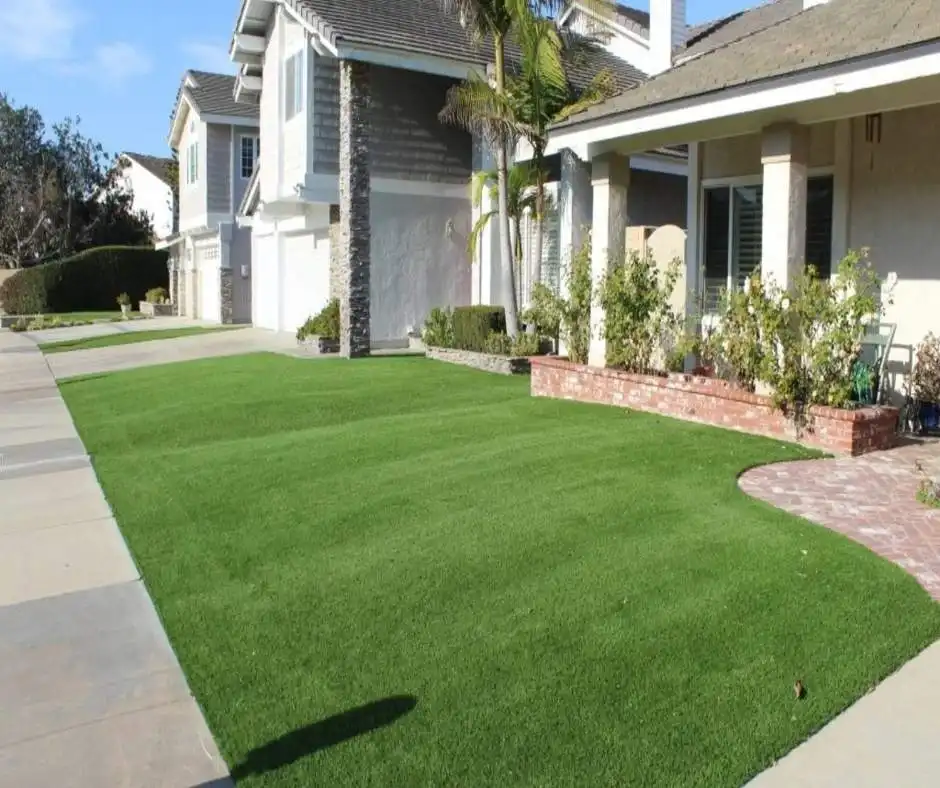
- Homeowners focused on curb appeal prefer lush, natural-looking blades.
To explore the various types of artificial grass turf and find the one that fits your needs, check out Texas Tuff’s product selection. They offer options designed for every lifestyle and budget.
Knowing your turf needs ahead of time can save you time and money, and it ensures you choose a lawn you’ll enjoy for years to come.
How to Choose the Best Artificial Grass for Your Space?
When choosing the best artificial grass, it’s not just about style.
You also need to consider the types of artificial turf grass that will enhance your space, withstand daily use, and stay lush under the Texas sun.
Before making a decision, consider these key factors:
01. Materials
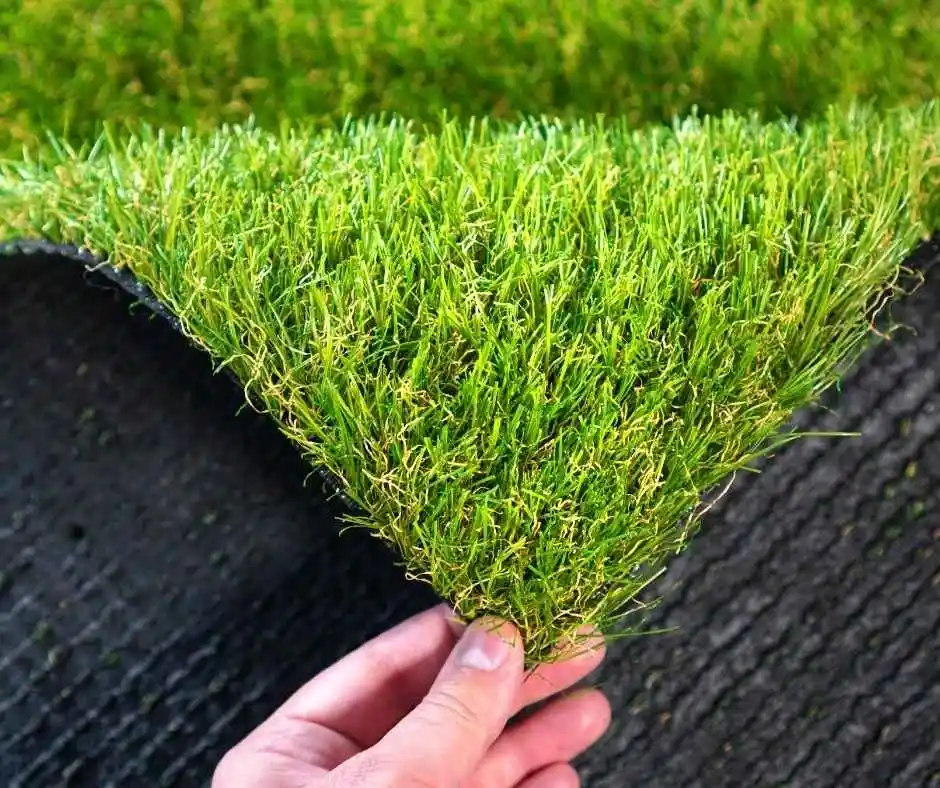
The type of material your artificial grass is made from affects its durability, feel, and overall appearance. Choosing the right turf material ensures your lawn looks great and lasts for years.
Polyethylene
Best for:
- Landscape turf
- General-purpose use
Strengths:
- Soft, natural feel
- Realistic, lush appearance
- UV-resistant for hot Texas weather
Weaknesses:
- Not as durable as nylon under heavy sports use
Polyethylene is a top pick for most homeowners. It’s soft to walk on, looks like real grass, and handles everyday wear and tear.
Polypropylene
Best for:
- Putting greens
- Thatch layers
Strengths:
- Budget-friendly
- Lightweight and easy to install
Weaknesses:
- Not ideal for high-traffic areas
- Wears out faster over time
Polypropylene works well in low-traffic areas or putting greens where appearance is secondary to evenness.
Nylon
Best for:
- Sports turf
- Putting greens
Strengths:
- Extremely durable and springy
- Handles heat and heavy use
- Maintains shape under pressure
Weaknesses:
- More expensive
- Stiffer underfoot
Nylon is ideal for areas with heavy foot traffic like gyms or sports fields.
Texas Tuff Pro Tip:
For the best results, consider combining turf materials.
- Nylon adds strength and durability.
- Polyethylene provides softness and comfort underfoot.
- Polypropylene makes an excellent thatch layer for a natural look.
This blend gives you a balance of comfort, resilience, and realism; perfect for Texas yards.
02. Pile Height
Shorter pile (under 1.25 inches)
- Ideal for: High-traffic areas, areas with pets, sports turf.
- Why: Easier to shed, mats less & holds up under pressure.
Taller pile (1.75–2.5 inches)
- Best for: Lawns and decorative landscaping
- Why: Soft and springy underfoot, it gives off a great impression of nature.
Texas Tuff Pro Tip: Lower pile works better for pets and play areas, while taller piles enhance curb appeal.
03. Density and Face Weight
Density
- Refers to how many blades of grass are packed into a square yard
- Higher density = fuller, more durable turf
Face Weight
- Measures the actual weight of the fibers per square yard (not including the backing)
- Higher face weight = stronger, more premium turf
Why it matters: Dense, high-face-weight turf looks better, feels more natural, and lasts longer, especially in high-use areas.
04. Drainage
Proper water drainage is key to keeping your artificial grass looking great and staying clean. Without it, the turf can wear out faster, and water may pool, causing odors and muddy spots.
Permeable Backing
- Lets water pass straight through to the ground below
- Essential for rainy areas or pet zones where liquids need to drain quickly
- Prevents puddles and keeps odors under control
Drainage Rate
- Measures how quickly water flows through the turf
- Faster drainage means less standing water and fewer muddy areas
- Especially important in regions prone to heavy rain or spills
Texas Tuff Pro Tip: For the Dallas-Fort Worth area, which can experience sudden storms, choose turf with a fast drainage rate and 100% permeable backing. Your lawn and your pets will thank you.
05. UV Protection
Sunshine feels great, but it can be harsh on artificial turf. Without UV protection, colors fade and the grass can look dull over time.
UV-Resistant Turf
- Shields your turf from sun damage
- Prevents fading and discoloration
- Helps turf stay bright and natural-looking for years
Tip: In areas like Dallas-Fort Worth, where the sun can be intense, always choose turf with strong UV resistance. It will keep your lawn looking fresh throughout the year.
06. Infill
Infill is the material that sits between the grass blades. It is more important than you might think. Different infill materials affect:
- Drainage
- Cushioning
- How well the blades stand up
Common Infill Options
- Sand: Adds weight and stability, helps blades stay upright, and improves drainage.
- Crumb Rubber: Provides extra cushioning, making turf softer underfoot and ideal for sports or pets.
Choosing the right infill depends on your needs:
- Want a firm, natural feel? Sand works well.
- Need more shock absorption for kids or athletes? Crumb rubber is the better choice.
If you’re weighing the right type of sand for artificial turf, most residential installs use a graded silica sand for weight and drainage, while specialty coated sands are available for odor and heat control.
Texas Tuff Pro Tip: Look for antimicrobial infill options to reduce odors and keep your turf fresh, especially in areas used by pets.
07. Climate Suitability
Not all artificial turf is built for every climate. Choosing turf that matches your local weather ensures it lasts longer and performs better.
Key Considerations
- Heat Resistance: Turf should stay cool under hot sun, especially in areas like Dallas-Fort Worth.
- Cold Tolerance: In colder climates, turf should resist frost and freezing damage.
- UV Protection: Keeps colors vibrant and prevents fading, even in sunny regions.
- Drainage Needs: Turf in rainy areas should have fast drainage to prevent puddles and odors.
Tip: Always check the manufacturer’s specifications for climate suitability. Selecting the right turf for your environment helps your lawn stay beautiful and durable year-round.
08. Intended Use
Artificial grass isn’t one-size-fits-all. Choosing the right type for your specific needs is key to ensuring it lasts and performs well.
Think about how you’ll use your space. Here’s a quick guide:
- Play Areas & Kids Zones: Soft lawn with extra cushioning. It needs to be durable and easy to clean.
- Pet Locations: Turf with excellent drainage, anti-microbial infill, and wear-resistant fibers.
- School Sports Fields: High-resiliency turf designed for heavy use, strong fibers, and shock-absorbing layers.
- Decorative Landscaping: Focus on lush, natural-looking grass with taller blades and realistic texture.
- Rooftop Decks & Patios: Lightweight, UV-resistant turf that’s comfortable to walk on.
Texas Tuff Pro Tip: Choose a pile height, density, and material that match your intended use. This ensures your turf stays in top condition and performs beautifully for years to come.
09. Budget and Long-Term Value
High-end artificial turf may have a higher upfront cost, but it can last 15–25 years with minimal maintenance. When evaluating your options, consider:
- Warranty length – How long is coverage for defects or damage?
- Maintenance costs – Will you spend extra on cleaning or repairs over time?
- Water savings – Artificial turf can reduce or eliminate watering bills.
- Resale value – A well-installed turf can boost your property’s appeal.
Texas Tuff Pro Tip: Always account for the full installation cost, not just the turf itself. This includes:
- Grading
- Sub-base preparation
- Infill
- Edging
Considering all these factors ensures you get the best long-term value from your investment.
10. Aesthetics
Your artificial turf should blend in, not stick out. It’s meant to enhance your yard’s style, not overpower it. Choosing the right color and texture makes a big difference.
Key tips for great turf aesthetics:
- Match the color to your yard: Pick a shade that complements your existing landscaping. Natural-looking greens with a mix of tones work best.
- Pick the right texture: Soft yet sturdy turf feels great underfoot. Avoid options that are too stiff or too spongy.
- Skip the shine: Glossy turf can look fake. A matte or low-gloss finish gives a more realistic appearance.
- Test it first: Grab a few samples and lay them in your yard. Check them in natural light, as colors can look different outside than in-store.
The Best Turf Options for Every Space
Artificial turf is generally categorized based on its intended use.
While all types are designed to provide a low-maintenance, water-saving alternative to real grass, each of the types of artificial grass turf available today is tailored for specific applications. They vary in:
- Different materials
- Unique textures
- Distinct performance characteristics
Knowing these differences makes it easier to choose the best type of artificial turf for your yard, pets, or sports needs.
1. Landscape Turf
Best for:
- Front and back yards
- Decorative landscaping
- Rooftop decks and patios
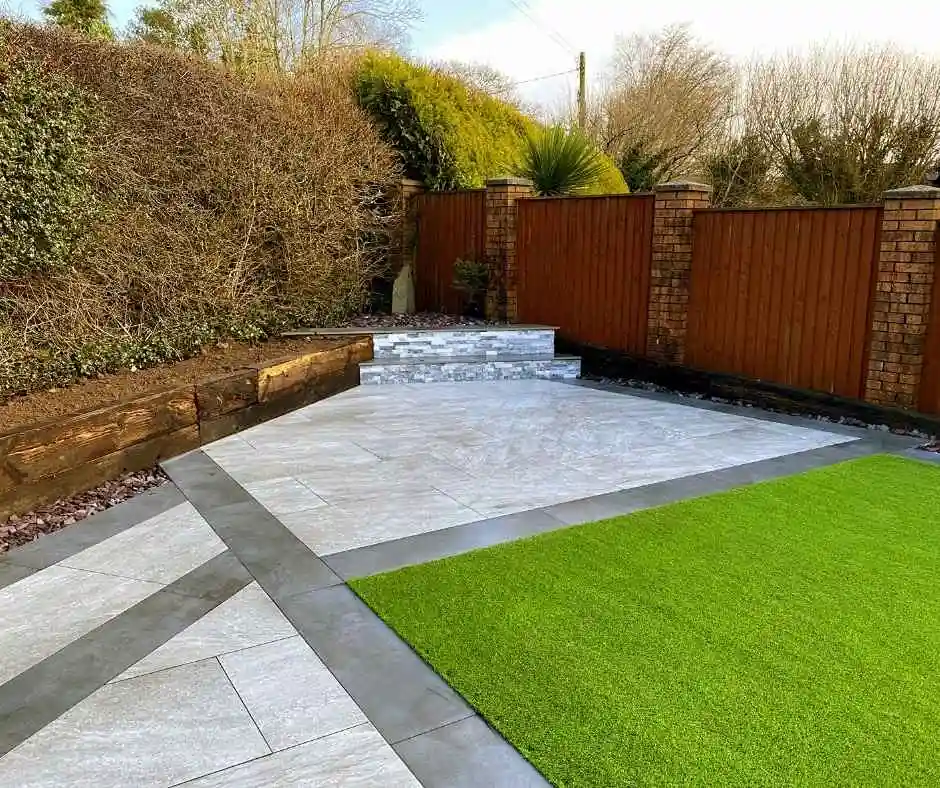
Landscape turf is one of the most popular types of artificial turf for backyard spaces. It looks and feels like real grass; soft, natural, and easy on the eyes.
High-quality turf really stands out. Key features include:
- Longer blades: Usually 1.5 to 2.5 inches, adding a realistic look and feel.
- Thatch layer: Curly fibers beneath the blades that mimic natural undergrowth, giving your lawn a fuller, lusher appearance.
The result is a beautiful, low-maintenance lawn that looks like real grass all year round.
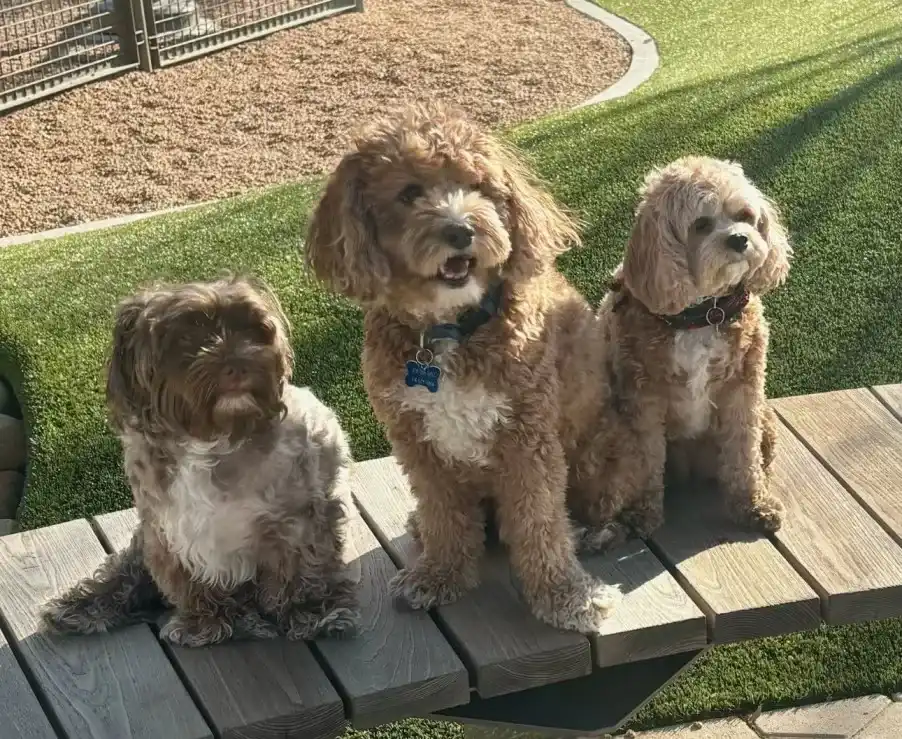
2. Pet Turf
Best for:
- Dog runs
- Pet-friendly backyards
- Kennels and veterinary clinics
For pet owners, especially dog lovers, you need turf that can handle:
- Waste
- Scratching
- Rough play
Pet turf is designed to be tough, easy to clean, and resistant to odors.
Key Features:
- Short pile height: Around 1 inch for quick cleanup.
- Fully permeable drainage: Liquids drain through easily to prevent puddles and odors.
- Antimicrobial infill: Optional but highly recommended for extra freshness.
- Strong, wear-resistant fibers: Built to last through heavy use.
Pro Tip: Avoid placing a weed barrier under pet turf, as it can trap odors. Instead, choose an antimicrobial infill like T°Cool to keep your furry friends’ area clean, safe, and comfortable.
3. Putting Green Turf
Best for:
- Backyard putting greens
- Indoor golf simulators
- Commercial mini golf installations
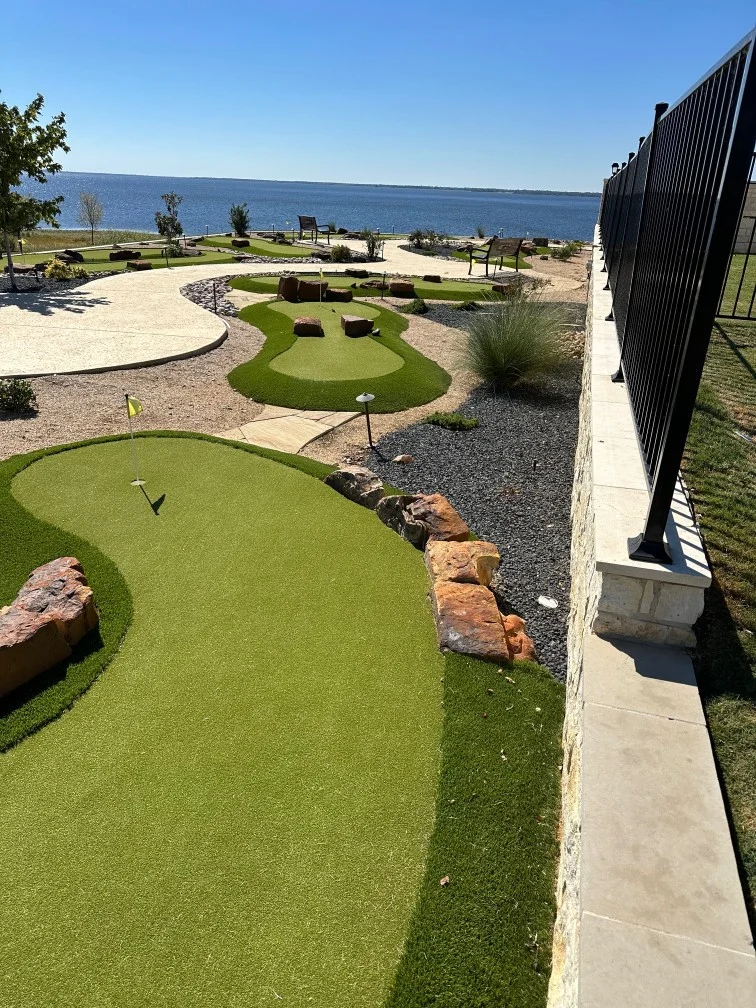
Putting green turf is designed for performance and accuracy. Unlike soft, tall landscape turf, it stays short and tight, usually 0.4 to 0.75 inches tall.
Its main goal is to mimic the smooth, predictable roll of a real golf ball. Some setups use dual pile heights to separate the putting surface from the fringe or fairway.
Key Features:
- Ultra-short pile height: Keeps the surface low and tight, allowing the golf ball to roll accurately.
- Durable nylon or polypropylene blades: Strong materials that resist wear and maintain performance over time.
- Minimal or no thatch: Creates a smooth, even surface for consistent putting.
- Customizable speed and bounce: Special infill allows you to adjust how fast or how lively the ball rolls.
Pro Tip: A smooth, even sub-base is essential. Any bumps or dips will affect your putting game.
4. Sports Turf
Best for:
- Football fields
- Soccer fields
- Multi-sport arenas
- Indoor gyms
Sports turf covers some of the most demanding types of artificial turf fields, built to handle heavy use and high-impact play. It is made with ultra-durable fibers such as nylon or high-density polyethylene, providing excellent traction, shock absorption, and wear resistance.
Many sports turf systems also include padding underneath. This added layer helps reduce the risk of injuries while improving player performance. Some options even come with built-in stripes or field markings for easier setup.
For properties evaluating types of artificial turf for soccer specifically, drainage and shock absorption matter even more than they do for a general backyard, since matches continue in wet conditions and players are moving at speed across the full surface. The same holds for types of artificial football turf, where padding and Gmax rating become a bigger part of the decision than color or blade shape.
Key Features:
- Short to medium pile height
- Shock-absorbing pad underlay
- Extreme durability
- Seamless, consistent play surface
Texas Tuff Tip: Ask about the Gmax rating. This number shows how well the turf absorbs shocks, which is important for player safety.
Frequently Asked Questions
What are the different types of artificial turf?
Artificial turf generally falls into a few main categories: landscape turf for yards and decorative areas, pet turf for dog runs and pet-friendly spaces, putting green turf for golf, and sports turf for athletic fields. Each is built with different materials, pile heights, and infill to match its intended use.
What is the best type of artificial turf for my yard?
For most residential yards, polyethylene landscape turf is the best type of artificial turf, since it offers a soft, natural feel and realistic appearance. Pet owners and households with heavy foot traffic may want a shorter pile with permeable backing instead.
What type of sand for artificial turf works best?
Graded silica sand is the standard choice for most residential installs, since it adds weight, helps blades stand upright, and improves drainage. Specialty coated sands are also available for households that want extra odor or heat control.
What types of artificial turf are best for soccer and football fields?
Sports fields typically use nylon or high-density polyethylene turf with a shock-absorbing pad underlay. These types of artificial turf fields are built for constant impact, fast drainage, and a consistent playing surface across the entire field.
Are there different types of artificial turf for backyards specifically?
Yes. Backyard turf usually means landscape turf with a taller pile height for a natural look, though pet owners often choose a shorter, more permeable option, and families with kids may add extra cushioning infill for safety.
Does the type of artificial turf affect how long it lasts?
Yes. Material, density, face weight, and UV protection all affect lifespan. High-end nylon sports turf can outlast a budget polypropylene option by many years, especially under heavy use.
Do commercial properties need a different type of artificial turf than homes?
Often, yes. Commercial spaces with heavy foot traffic typically need denser, more durable turf than a residential lawn, though the right choice still depends on how the space will be used day to day.
Find the Right Artificial Turf for Your Space
Choosing turf isn’t just about how it looks. It’s about how it fits your lifestyle and how you’ll use the space.
Whether it’s a play area, rooftop, pet zone, or commercial property, purpose matters. And let’s not forget, Texas weather is tough on surfaces.
Need something soft and lush for relaxing? Or strong, durable turf that handles heavy use? Maybe a clean, pet-friendly surface that’s easy to maintain? The right turf makes all the difference.
It saves time. Cuts water bills. Reduces maintenance stress. And keeps your space looking great year-round.
Look for turf with quality materials and smart features.
- UV resistance helps fight fading.
- Antimicrobial infill keeps it clean and fresh.
- Durable backing ensures it holds up over time.
At Texas Tuff, we’ve helped many Dallas-Fort Worth homeowners find turf that fits their needs.
Not sure where to start? Our local experts know what works in Texas. We’ll guide you step-by-step, from selection to turf installation.
Let’s find your perfect turf; reach out today!