Did you know that even though artificial grass doesn’t need watering or mowing, it can still attract unwanted pests like flies and fleas?
Whether you have pets, host outdoor gatherings, or simply enjoy a backyard oasis, these pests can quickly turn your low-maintenance lawn into a source of frustration. Since artificial turf doesn’t have the natural ecosystem that helps keep pests in check, proactive care is essential.
So, how can you get rid of flies and fleas on artificial grass without damaging your lawn or using harsh chemicals?
There are several strategies that can help keep your synthetic turf pest-free and safe for your family and pets, including:
- Simple cleaning techniques to remove debris and pet waste
- Natural repellents and sprays that are safe for children and pets
- Preventative maintenance routines to minimize infestations
In the sections below, we’ll break down everything you need to know to maintain a clean, fly- and flea-free artificial lawn all year round.
Why Are Flies & Fleas Attracted to Artificial Grass?
You might assume flies & fleas would avoid artificial grass since it does not have soil, moisture, or natural plant matter, but that is not always true.
Flies & fleas are opportunistic pests, drawn to environments that provide:
- Food
- Warmth
- Shelter
Even synthetic lawns can create the perfect conditions for them if certain factors are present.
Here’s what commonly attracts flies & fleas to your artificial turf:
- Pet Waste: Dogs, cats, or other pets can leave behind waste that attracts flies & fleas immediately. Feces serve as a prime breeding ground.
- Food Particles and Spills: Outdoor meals, snacks, or fallen pet food can linger and draw flies & fleas searching for a meal.
- Moisture and Standing Water: Spills, sprinklers, or heavy rain can leave damp patches. Flies love moisture, and standing water can become a breeding spot.
- Debris and Organic Matter: Leaves, grass clippings, or mulch blown onto your lawn create microenvironments where flies & fleas feel safe and sheltered.
- Warmth and Shade: Artificial grass absorbs heat, making it an appealing resting spot on cooler days, especially if shade is nearby.
Identifying what draws flies & fleas to your turf is the first step to keeping them away. Once you know the triggers, you can address them and prevent infestations before they start.
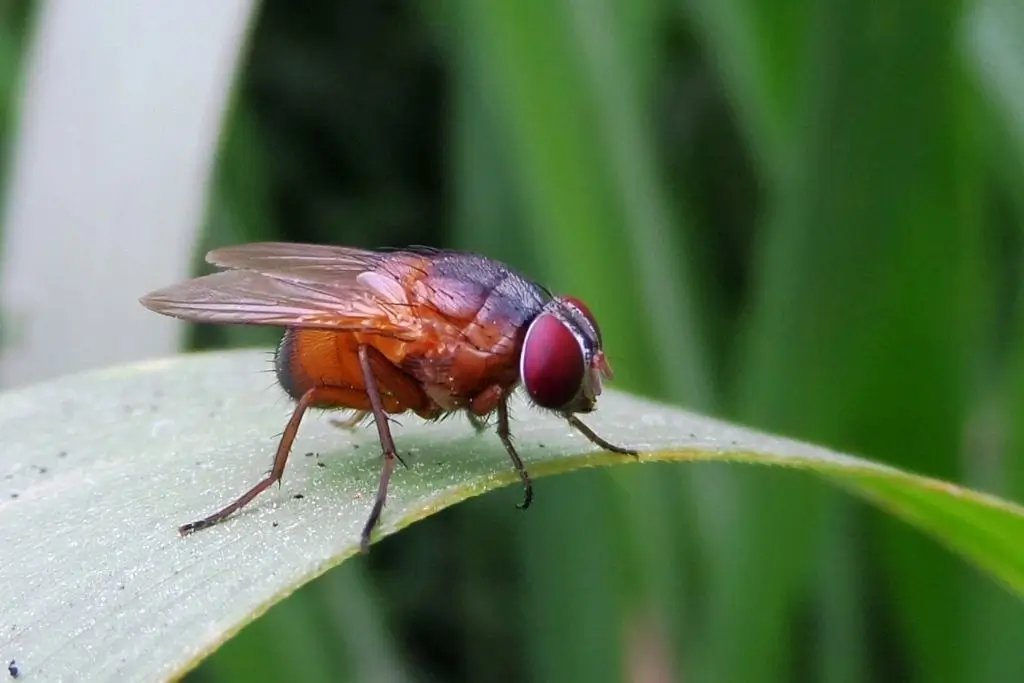
How to Get Rid of Flies & Fleas on Artificial Grass
Even though artificial grass is low-maintenance, flies and fleas can still become a problem if it’s not properly cleaned and cared for.
With a few simple steps, you can keep your synthetic lawn pest-free without damaging your turf or using harsh chemicals.
Here’s how to tackle flies and fleas effectively:
1. Regular Cleaning and Debris Removal
Keeping your artificial turf clean starts with removing debris and waste. Flies and fleas are naturally attracted to dirt, food particles, and pet waste, so regular upkeep is essential.
How to do it:
- Sweep or use a leaf blower to remove leaves, twigs, and other debris.
- Rinse the turf with a hose to wash away small particles and keep the grass looking fresh.
- Pick up pet waste immediately to prevent flies from laying eggs and to maintain a hygienic surface.
2. Use Pet-Safe Insect Sprays or Natural Repellents
Keeping flies and fleas away doesn’t have to mean harsh chemicals. There are plenty of options that are safe for both children and pets.
Options to try:
- Natural sprays: Diluted vinegar, lemon, or essential oils can repel pests without chemicals.
- Pet-safe insecticides: Available at most garden stores. Look for products specifically labeled safe for synthetic turf.
3. Keep Your Lawn Dry and Well-Ventilated
Flies and fleas thrive in damp environments. Keeping your turf dry reduces their ability to survive and breed.
- Avoid over-watering nearby plants if water runs onto your turf.
- Ensure proper drainage under your artificial grass.
Occasionally brush your turf to improve airflow and prevent moisture buildup.
4. Maintain a Clean Perimeter
Flies and fleas don’t just live on your turf. They can come from surrounding areas. Keeping the perimeter clean helps reduce pests.
Tips for a cleaner perimeter:
- Trim nearby shrubs, bushes, and tall grasses that can harbor pests.
- Keep garbage bins covered and away from your lawn.
- Use natural pest barriers: Lay down diatomaceous earth or similar products along the edges.

Preventive Maintenance Tips for a Pest-Free Artificial Lawn
Keeping flies and fleas off your artificial grass isn’t just about tackling them when they appear. Prevention is key. With consistent care, you can enjoy a clean, safe lawn all year round without constantly worrying about pests.
Here are some practical maintenance tips:
1. Regular Brushing
Artificial grass fibers can trap dirt, pet hair, and other debris, which may attract pests over time. Brushing your turf keeps it upright and clean.
How to brush effectively:
- Use a stiff-bristled broom or a power brush to lift fibers and remove trapped debris.
- Brush in different directions to prevent matting and maintain a natural look.
2. Rinse Frequently
Even a low-maintenance lawn benefits from a good rinse.
Tips for rinsing:
- Use a garden hose to wash away pollen, dust, and small food particles.
- For homes with pets, rinse areas where they frequently play or relieve themselves to prevent odors and attractants.
3. Maintain Proper Drainage
Flies and fleas are attracted to moisture, so make sure water does not pool on your turf.
Drainage tips:
- Check for low spots or uneven areas where water may collect and fix them.
- Ensure the base beneath the turf is properly graded for drainage.
4. Treat Hotspots with Natural Repellents
Some areas of your yard may attract more pests than others.
Repellent options:
- Sprinkle diatomaceous earth or baking soda in corners or under shaded areas to repel fleas.
- Use pet-safe essential oil sprays, like lavender or eucalyptus, to deter flies naturally.
5. Monitor and Remove Pet Waste Promptly
This is especially important if you have dogs or cats.
Waste management tips:
- Pick up solid waste immediately.
- Hose down urine spots and consider using an enzymatic cleaner to eliminate lingering odors that attract pests.
Can I Spray Bug Spray on Artificial Turf?
Yes, but you need to be careful. Many traditional bug sprays contain harsh chemicals that can:
- Damage synthetic turf fibers
- Discolor the grass
- Leave behind sticky residues
To safely spray for pests on artificial turf:
- Choose pet-safe and turf-safe products specifically labeled for use on artificial grass.
- Avoid harsh chemical sprays designed for natural lawns, as they can break down synthetic fibers.
- Consider natural repellents like diluted vinegar, essential oil sprays, or diatomaceous earth.
When in doubt, test any spray on a small, hidden section first, or check with your artificial turf installer for recommended products.
FAQs: Artificial Turf and Pets
Yes. While artificial turf doesn’t provide food like natural lawns, flies are attracted to:
- Pet waste
- Food particles
- Damp areas
Fleas can survive if pets frequent the lawn. Regular cleaning and preventive care are essential.
The most effective methods include:
- Promptly cleaning pet waste
- Rinsing the turf with water
- Using pet-safe flea sprays or natural repellents
Regular maintenance is key to preventing infestations.
Yes. Options like:
- Diluted vinegar
- Essential oils
- Diatomaceous earth
…are generally safe for artificial turf. Always follow product instructions and avoid over-application.
Weekly brushing or sweeping, along with a rinse of high-traffic or pet areas, is ideal. More frequent cleaning may be needed during warmer months or after outdoor gatherings.
Absolutely. Experts can:
- Deep-clean and sanitize your turf
- Inspect drainage
- Apply safe pest treatments
Professional care helps keep your lawn pest-free and extends its lifespan.