

Dog owners often wonder if pets can use artificial grass comfortably and safely. The simple answer is yes. Dogs can pee on synthetic turf without any issues.
Artificial grass is designed to handle pets, but it requires some attention to stay clean and odor-free. Waste does not soak in naturally, so regular cleaning and proper care are essential.
Simple tasks like:
- Rinsing away urine
- Spot-cleaning solid waste
- Using pet-safe deodorizing solutions
…help keep your lawn hygienic and inviting for both pets and people.
In this guide, you will learn:
- How artificial grass manages dog urine
- Benefits for pet owners
- Cleaning tips and odor control
- Selecting the best turf for dogs
- Maintenance routines for a healthy, dog-friendly lawn
With the right approach, artificial grass can stay fresh, safe, and ready for dogs to enjoy every day.
Can Dogs Actually Pee on Artificial Grass?
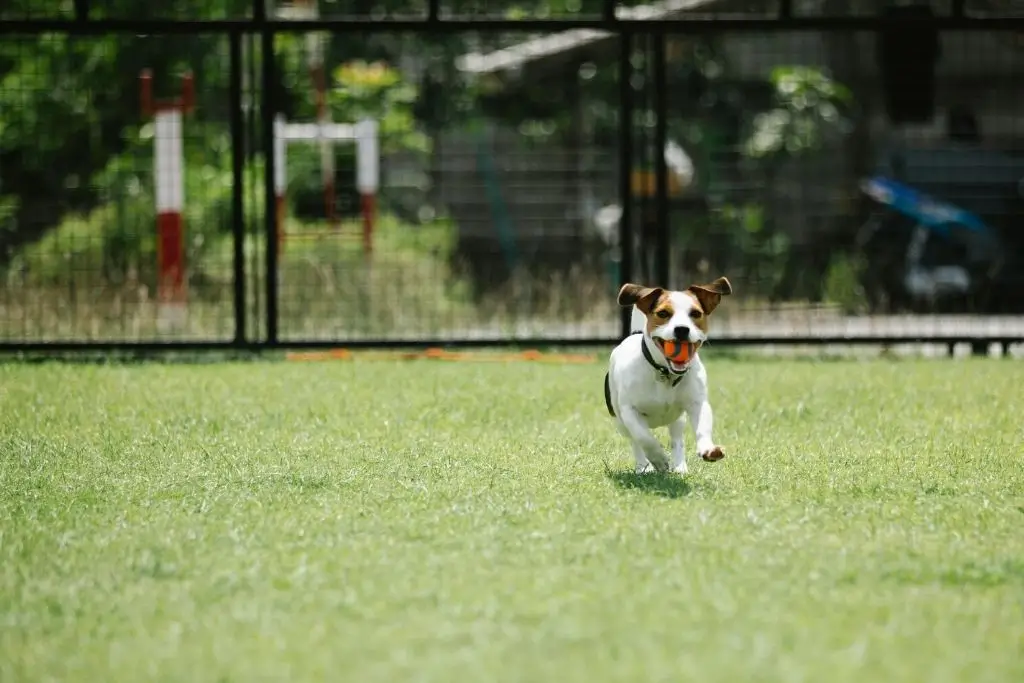
Yes, dogs can pee on artificial grass just like they would on natural lawns.
Most dogs quickly adapt to synthetic turf. The surface feels soft and comfortable under their paws.
Here’s what to know:
- No digging or wear: Dogs don’t damage the turf when they urinate.
- Behavior adaptation: Some dogs may need time to get used to the surface. Using treats and praise can help them feel comfortable.
- Suitable for all sizes: Small or large dogs can use artificial grass without causing problems.
Artificial grass provides a convenient solution for pet owners. It keeps the yard clean and green. There is no need to worry about brown spots, mud, or worn patches.
With proper care, your dogs can use the lawn confidently and safely.
How Does Artificial Grass Handle Dog Urine?
One of the biggest concerns for pet owners is how artificial grass reacts to dog urine. Synthetic turf is built to handle it without damage or discoloration.
Artificial grass features a drainage system that allows liquids to pass through easily. Urine flows through the turf and into the underlying base, preventing puddles and keeping the surface dry.
However, urine can cause odors if not managed properly. That’s why routine cleaning is essential. Simple tasks like:
- Rinsing the area with water
- Using pet-safe cleaning solutions
- Flushing the drainage layer occasionally
…help keep your lawn smelling fresh and your turf looking pristine.
With proper care, artificial grass can handle dog urine efficiently, making it a practical, low-maintenance choice for pet owners.
What Are the Benefits of Artificial Grass for Dog Owners?
Artificial grass offers numerous advantages for dog owners seeking a practical, safe, and low-maintenance outdoor space. Here’s why it stands out:
- Clean & Mud-Free
Synthetic grass doesn’t absorb water like natural grass, preventing puddles and messes that get tracked indoors.
- Low Maintenance
No mowing, fertilizing, or watering required. This saves time, effort, and long-term lawn care costs.
- Safe & Chemical-Free
Modern artificial turf is made from non-toxic materials and is free from harmful pesticides and fertilizers, creating a safe space for pets to play and relax.
- Allergen & Pest Resistant
Artificial grass doesn’t harbor allergens like natural grass and removes the habitat for pests such as fleas and ticks, reducing allergy and infestation risks.
- Year-Round Green
Synthetic turf stays vibrant and green all year, regardless of weather conditions, giving you a consistently attractive yard.
- Odor Control
With proper drainage and regular cleaning, artificial grass can manage pet odors effectively, keeping your outdoor space fresh and inviting.
Artificial grass isn’t just convenient; it’s a durable, safe, and attractive solution that makes life easier for both you and your pets.
How to Clean Dog Pee from Artificial Grass
Keeping your artificial lawn fresh and odor-free is essential for a pleasant outdoor space. Pet urine can cause odors, but with a few simple steps, your turf can stay clean and inviting.
Simple tasks like:
- Rinsing the turf immediately after accidents.
- Applying enzyme cleaners to neutralize odors.
- Using natural deodorizers for extra freshness.
…can make a big difference in maintaining your lawn.
1. Immediate Rinsing
Diluting and removing urine quickly prevents lingering odors. Use a garden hose to rinse the affected area thoroughly, flushing out as much urine as possible.
2. Apply an Enzyme-Based Cleaner
Enzyme cleaners break down urine components and neutralize odors. Products like TurFresh BioS+ are designed for artificial turf. Spray the affected area, let the cleaner sit, and rinse according to the manufacturer’s instructions.
3. Natural Deodorizers
- Baking Soda: Sprinkle over the damp area, let sit 15–20 minutes, then rake or sweep away.
- Apple Cider Vinegar Solution: Mix equal parts vinegar and water, apply to the spot, let sit briefly, then rinse thoroughly.
Tip: Avoid bleach or harsh chemicals, as they can damage the turf and harm pets.
4. Regular Maintenance
- Routine Rinsing: Hose down weekly to prevent buildup.
- Deep Cleaning: Every 4–6 weeks, apply an enzyme cleaner and deodorize as needed.
- Infill Care: Check and refresh infill material periodically to maintain turf performance.
5. Professional Cleaning
If odors persist or the turf shows signs of wear, professional cleaning can deep-clean and restore your artificial lawn effectively.
How Can You Prevent and Control Odors on Artificial Grass?
Even though artificial grass doesn’t absorb liquids like natural lawns, pet urine can still leave behind odors if not properly managed. The good news is that with a few simple steps, you can keep your lawn smelling fresh all year long.
Here’s how:
- Rinse Regularly
Use a hose to wash away urine from the surface. This prevents buildup and keeps odors at bay. - Use Pet-Friendly Cleaners
There are specially formulated sprays and solutions designed to neutralize odors without harming your turf or pets. - Spot-Clean Solid Waste Promptly
Pick up any solid waste immediately to avoid lingering smells. - Incorporate Enzyme Treatments
Enzyme-based cleaners break down odor-causing compounds naturally, making them highly effective for frequent use. - Maintain Proper Drainage
Ensure your artificial grass has good drainage so liquids don’t sit on the surface, which can contribute to odors over time.
With these easy steps, your artificial grass will stay odor-free, inviting, and ready for pets to play on every day.
What Are Common Concerns and Misconceptions?
Many pet owners worry about using artificial grass, but most concerns are easy to address. Common questions include:
- Will it hurt my dog’s paws? High-quality turf has soft, pet-safe fibers that feel comfortable under paws.
- Will urine cause permanent odors? Regular cleaning and proper drainage prevent lingering smells.
- Is it expensive to maintain? While initial installation can cost more than natural grass, artificial turf saves money in the long run with minimal watering, mowing, or fertilizing.
- Will my dog avoid it? Most dogs adapt quickly, especially when the turf feels natural and clean.
Which Type of Artificial Grass Is Best for Dogs?
Not all artificial grass is created equal. Choosing the right type can make a big difference for pets, helping prevent odors, damage, and messes. Here’s what to look for:
Pet-Friendly Design
- Soft but durable fibers to keep paws comfortable.
- Drainage holes or permeable backing for easy urine flow.
- Materials that resist staining and discoloration.
Short vs. Long Fibers
- Short fibers: Easy to clean, less likely to trap dirt and hair.
- Medium fibers: Feels natural while still manageable.
- Avoid very long fibers; they can mat down and make cleaning harder.
Non-Toxic Materials
- Made from pet-safe, non-toxic materials.
- Avoid harmful chemicals or heavy dyes.
High Durability
- Can handle running, digging, and heavy traffic.
- UV-resistant options maintain color and quality in strong sunlight.
Easy Maintenance
- Antimicrobial coatings help reduce odors.
- Smooth backing and proper infill make cleaning urine, dirt, and hair easier.
For pet owners, Texas Tuff Artificial Grass offers excellent dog-friendly options, including Palo Duro, Turner & Hooch, Scooby, and Scooby Deluxe.
These options combine durability, softness, and easy maintenance, keeping your lawn safe and comfortable for pets.
Final Thoughts: A Happy Lawn for You and Your Pup
Artificial grass isn’t just practical. It is a game-changer for pet owners. With the right turf, regular cleaning, and simple maintenance, your dog can enjoy a safe, comfortable, and mess-free outdoor space every day. No brown spots, no mud, no odors. Your lawn stays green year-round.
A little care keeps your artificial lawn fresh and pet-friendly. Your dog can play freely while you enjoy a low-maintenance yard. With dog-friendly turf like Texas Tuff, everyone wins. Happy pets, happy owners, and a lawn that always looks its best.
For expert installation and top-quality dog-friendly turf in the Dallas-Fort Worth area, contact Texas Tuff Artificial Grass at (214) 209-9388.
FAQs: Dogs and Artificial Grass
Does dog urine ruin artificial grass?
No. High-quality artificial grass is designed to handle dog urine without damage. However, regular rinsing and cleaning are important to prevent odors and keep the turf fresh.
How do you get a dog to pee on artificial grass?
Most dogs adapt naturally, but you can encourage them by using treats, praise, or guiding them to the area. Consistency helps dogs become comfortable with the surface.
What gets rid of dog pee smell on artificial grass?
Rinsing the area immediately, using enzyme-based cleaners, or natural deodorizers like baking soda or a vinegar-water solution can neutralize odors effectively.
How often should I clean fake grass from dog urine?
Spot-cleaning should be done immediately after accidents. Routine rinsing once a week and enzyme cleaning every 4–6 weeks helps prevent buildup and odors.
Will baking soda neutralize dog urine on grass?
Yes. Baking soda can help neutralize odors. Sprinkle it on the affected area, let it sit for 15–20 minutes, then rake or rinse it off.